La cruda realidad de la promoción musical en 2026
Guía para artistas independientes: consigue más streams y playlists editoriales, y crea una carrera sostenible en Spotify con estrategias probadas.
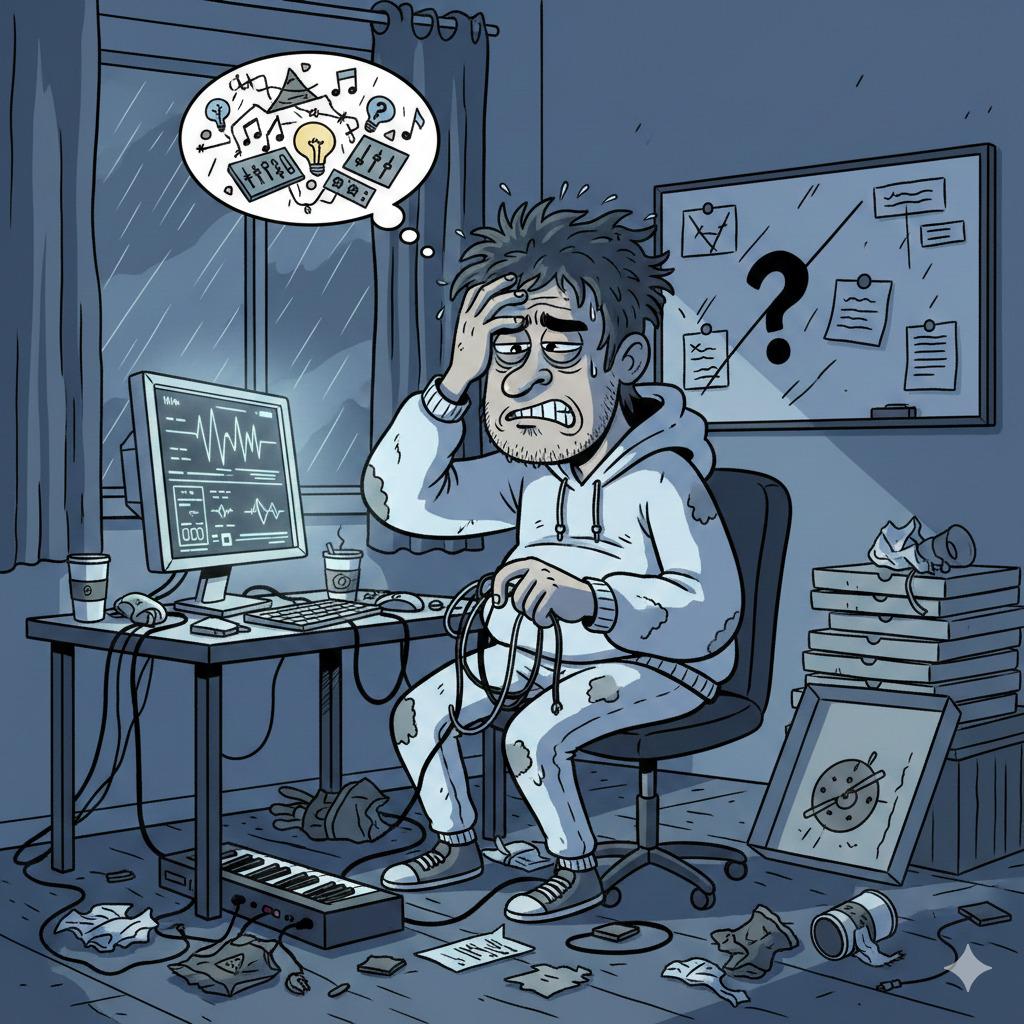
Acabas de terminar tu tema. Lo llevas escuchando en bucle. Sabes que este es el bueno. Así que lo subes a Spotify, escribes a unas cuantas playlists, publicas en Instagram… y esperas. Pasan unos días. Luego una semana. Después, dos. Las reproducciones no despegan. Nadie responde a tus envíos. Y empiezas a preguntarte qué está fallando.
Lo que falla es que nadie te ha contado la verdad sobre la promoción musical. Para eso es este artículo. No para desanimarte, sino para explicarte las reglas reales del juego, esas que las plataformas de promoción no ponen en sus páginas de inicio.
Lo primero: ¿tu música está realmente lista?
Esta es la pregunta que todo el mundo esquiva. No por cobardía, sino porque nadie quiere hacerle daño al artista. Pero es lo primero que hay que resolver, y no es negociable.
Mezcla y mastering: requisitos, no opciones
En 2026, Spotify opera a -14 LUFS integrados. Las playlists editoriales tienen estándares estrictos de calidad de audio. Un curador independiente recibe decenas de propuestas a la semana. Si tu máster suena más bajo, menos limpio o menos profesional que los demás temas de su playlist, pasa al siguiente. No es cuestión de gustos, sino de cumplir unos mínimos. (Consulta nuestra guía completa: Mastering para streaming: todo lo que necesitas saber sobre los -14 LUFS)
Una buena mezcla implica equilibrio de frecuencias, control dinámico y separación de los instrumentos en el campo estéreo. Un buen mastering implica un nivel consistente, un sonido capaz de competir y la ausencia de distorsión o saturación no deseadas. Si no tienes el oído o el equipo para hacerlo por tu cuenta, contrata a un ingeniero de sonido. A menudo es la inversión más rentable que puedes hacer antes de gastar un solo céntimo en promoción.
Arreglo y estructura: los primeros 30 segundos lo deciden todo
El algoritmo de Spotify mide la tasa de saltos, es decir, cuántos usuarios pasan de tu tema antes de que termine. Que alguien lo salte durante los primeros 30 segundos es una señal muy negativa. Un curador de playlists, por su parte, suele escuchar los primeros 20-30 segundos antes de decidir.
¿La intro es demasiado larga? ¿El drop o el estribillo llegan demasiado tarde? ¿Hay energía desde el primer segundo? No son preguntas estéticas, sino estratégicas. Un tema que engancha al instante tiene, por pura mecánica, más posibilidades de funcionar en una campaña de promoción.
Originalidad en un mercado saturado
Cada día se suben 100.000 temas a Spotify. Es una cifra real, no una metáfora. En este contexto, un tema que suena como otros diez no llega a ninguna parte. No porque sea malo, sino porque, a ojos de un curador o de un algoritmo que ya tiene el original, no ofrece nada distinto.
No se trata de hacer música de vanguardia porque sí. Se trata de recordar que tu identidad sonora es tu mejor herramienta de marketing.
Por qué la promoción musical se ha convertido en una profesión propia
Hace veinte años, un buen tema podía «petarlo» casi por accidente. Un DJ lo pinchaba en un club, una emisora empezaba a ponerlo y el boca a boca hacía el resto. Ese mundo ya no existe.
106.000 temas al día: el problema de la atención
Las cifras impresionan. Según el informe de Luminate de 2025, cada día se suben 106.000 temas nuevos a las plataformas de streaming, un 7 % más que en 2024. Spotify ya alberga más de 202 millones de temas en su catálogo y cuenta con 11 millones de artistas registrados. Solo en 2024 se incorporaron 1,7 millones de artistas nuevos a la plataforma: 4.600 cada día.
La atención de curadores, periodistas e influencers es un recurso limitado frente a una oferta casi infinita. En este contexto, la promoción ya no es un extra que añades después de crear. Es una disciplina en sí misma, con sus propias herramientas, métricas, estrategias y presupuestos. Los artistas a los que les va bien en 2026 no son necesariamente los más talentosos. A menudo son quienes han entendido cómo funciona el sistema o han encontrado a las personas adecuadas para ayudarles.
La estadística que nadie quiere ver
Prepárate. Según los datos de Luminate de 2025, el 88 % de los temas en plataformas de streaming no superaron las 1.000 reproducciones en todo el año. No 1.000 reproducciones al mes: 1.000 en todo el año. De los 202 millones de temas disponibles, solo una pequeña minoría consigue que se escuche de verdad.
Y hay más. Entre los artistas, el 86 % de los artistas de Spotify tiene menos de 10 oyentes mensuales. Solo el 14 % supera los 10 oyentes mensuales. Estas cifras no están aquí para desanimarte, sino para ajustar las expectativas y entender la magnitud del reto.
Y para rematar: en 2024, Spotify dejó oficialmente de monetizar los temas que no alcanzan las 1.000 reproducciones anuales. En la práctica, si tu tema no supera ese umbral, genera cero ingresos. Según algunas estimaciones, esto supuso cerca de 47 millones de dólares en regalías no percibidas por artistas independientes solo en 2024.
El fin del mito de «mi música hablará por sí sola»
Este es el mito más peligroso de la música independiente. Sobrevive porque siempre hay algún caso de éxito orgánico que se pone como ejemplo: el artista que despegó sin presupuesto, el tema que se hizo viral en TikTok por accidente. Esos casos existen. Pero son la excepción estadística, no la norma.
Para ponerlo en perspectiva: según Luminate, solo el 0,2 % de todos los temas disponibles, unos 541.000, concentra la mitad del consumo mundial de streaming de audio. La concentración es extrema. Arriba, un número ínfimo de temas se lleva casi toda la atención. Abajo, millones de temas que nadie escucha.
La realidad: sin una distribución estratégica, sin presencia en las playlists adecuadas, sin interacción con tu comunidad y sin una señal inicial fuerte, un tema se pierde entre el ruido en menos de dos semanas. Porque el algoritmo de Spotify, como todos los algoritmos, premia lo que ya funciona: amplifica, no descubre.
La profesionalización de la escena independiente
Los artistas independientes que triunfan hoy tratan su música como un negocio. Tienen un plan de lanzamiento, un presupuesto de promoción y un calendario de contenidos para redes sociales. Además, miden sus resultados. Saben qué son la tasa de guardados, la tasa de saltos y la relación entre reproducciones y seguidores. Eso no es traicionar su arte. Es lo que hace posible que se escuche.
Una cifra que, pese a todo, debería animarte: los artistas independientes generaron más de 5.000 millones de dólares en regalías en Spotify en 2024, casi la mitad de todos los pagos de la plataforma. Hay espacio. Pero hay que ganárselo.
El algoritmo de Spotify: tu mejor aliado o tu peor enemigo
El algoritmo de Spotify suele presentarse como una caja negra misteriosa. En realidad, se entiende bastante bien cómo funciona en lo esencial, y saberlo cambia por completo tu estrategia de lanzamiento.
Las señales que Spotify tiene en cuenta
Spotify no se limita a contar reproducciones. También analiza cómo escucha la gente. Estas son las señales más importantes:
Tasa de guardados: cuando alguien guarda tu canción en su biblioteca o en una playlist personal, envía una de las señales más fuertes a Spotify: «esta canción me interesa». Una tasa de guardados alta suele ser el primer impulso para entrar en playlists algorítmicas.
Tasa de saltos: es la señal contraria. Si la gente pasa rápidamente a otra canción, Spotify lo interpreta de forma negativa y reduce su distribución. Que alguien salte tu canción en los primeros 30 segundos penaliza especialmente.
Escuchas completas: llegar hasta el último segundo envía una señal positiva. Por eso, la estructura de tu canción importa también para el algoritmo: una outro larga que invite a pasar de canción puede jugar en tu contra.
Añadidos a playlists: cuando los usuarios incluyen tu canción en sus playlists personales, aumenta tu visibilidad orgánica y el algoritmo recibe señales de relevancia.
Reproducciones repetidas: que una misma persona escuche tu canción varias veces es una señal potente. Indica que tu música invita a volver a escucharla, algo poco común y muy valioso.
La ventana decisiva de 7 días
Los 7 días posteriores al lanzamiento son decisivos. Es cuando Spotify recoge las primeras señales para determinar si tu canción merece una distribución algorítmica más amplia. Si funciona bien durante ese periodo (muchos guardados, pocos saltos y escuchas completas), puede empezar a aparecer en Discover Weekly, Release Radar o Radio.
Por eso, preparar el lanzamiento es tan importante como el lanzamiento en sí. Reunir a un público que escuche, guarde y comparta tu música desde el primer día no es un lujo: es la estrategia.
Release Radar, Discover Weekly y Radio: cómo entrar
Estas tres playlists algorítmicas están entre las más potentes de Spotify por volumen de escuchas. Pero no puedes enviarles un pitch: tienes que generar las señales que las activan.
Release Radar: llega cada viernes a los seguidores de un artista. Una razón más para construir una base real de seguidores en Spotify antes del lanzamiento.
Discover Weekly: llega cada lunes a usuarios que todavía no te conocen, pero cuyos hábitos de escucha encajan con tu música. Es el santo grial del descubrimiento orgánico. Se activa cuando tu canción ya ha acumulado suficientes señales positivas.
Radio: se genera automáticamente a partir de artistas similares. Aparecer en las radios de artistas consolidados de tu género puede generar un volumen considerable de reproducciones pasivas a largo plazo.
Playlists: el santo grial… pero ¿cuáles?
Cuando hablamos de playlists de Spotify, en realidad hablamos de tres ecosistemas muy distintos, con lógicas, criterios e impactos radicalmente diferentes.
Playlists editoriales: la cima de la pirámide
Las playlists editoriales las crean y gestionan directamente los equipos de Spotify. Hablamos de listas como «Hot New Music», «New Music Friday», «Afro House» o las grandes playlists por estado de ánimo, como «Deep Focus» y «Peaceful Piano». Pueden generar decenas de miles, incluso cientos de miles de reproducciones en cuestión de días.
Solo hay una vía oficial para entrar: Spotify for Artists. Debes presentar tu canción al menos 7 días antes de la fecha de lanzamiento y completar todo el formulario (estado de ánimo, género, instrumentos y descripción). Después, el equipo editorial la evalúa según su calidad, su potencial comercial y la tracción que ya tengas.
La realidad: Spotify tiene más de 3000 playlists editoriales oficiales. En teoría, cualquiera puede acceder a ellas. En la práctica, para un artista emergente sin sello ni equipo de management es extremadamente difícil entrar en las de mayor audiencia. Eso no significa que no debas intentarlo, ni mucho menos que sea el único camino.
Playlists algorítmicas: haz que lleguen a ti
Ya las hemos visto. No se entra en estas playlists enviando un pitch: tu canción tiene que ganarse el sitio con su rendimiento. La estrategia consiste en maximizar las señales positivas durante la ventana de lanzamiento.
Playlists independientes: la palanca infravalorada
Son playlists creadas por curadores independientes: aficionados, blogs musicales e influencers. Algunas tienen audiencias de 10 000, 50 000 o incluso 500 000 seguidores. Puedes acceder a ellas a través de servicios de envío de canciones (hablaremos de ellos enseguida), y pueden tener un impacto real en tus métricas iniciales.
La ventaja estratégica de las playlists independientes: si tu canción entra en varias de ellas al lanzarse, puede conseguir los primeros guardados y reproducciones que activen el algoritmo. No son el objetivo final, sino una palanca para ponerlo todo en marcha.
Servicios de promoción: entre la ilusión y el desencanto
El ecosistema de servicios de promoción musical ha crecido de forma explosiva en los últimos años. Aquí tienes un repaso honesto de los principales actores, sus puntos fuertes, sus limitaciones y su eficacia real.
Cómo evaluar un servicio de promoción
Antes de invertir un solo dólar, pregúntate: ¿sé exactamente a quién le enviarán mi música? ¿Los curadores están verificados y siguen activos? ¿Tengo datos sobre resultados anteriores? ¿Recibiré comentarios o solo un informe de clics?
Un buen servicio de promoción es transparente sobre su red, sus tasas de inclusión y sus métricas. Uno malo te vende un sueño con promesas vagas.
Comparativa de los 10 principales servicios en 2026
La columna Confianza y transparencia se puntúa sobre 5 estrellas, según las reseñas de Trustpilot, las opiniones de artistas independientes y un análisis del sector de 2025-2026.
| # | Servicio | Modelo | Confianza y transparencia | Nuestro veredicto |
|---|---|---|---|---|
| 1 | SubmitHub | Créditos (~$1 por envío) | ⭐⭐⭐⭐⭐ | El referente en transparencia. Puedes ver cuánto tiempo escucha cada curador, su tasa histórica de aceptación y recibir un reembolso si no escucha tu tema. Lleva 8 años en activo y lo fundó un bloguero musical. Su punto débil: la saturación. Los curadores reciben cientos de propuestas y las tasas reales de inclusión rondan el 5-10%. Úsalo con una selección muy precisa. |
| 2 | Groover | ~$2-6 por envío | ⭐⭐⭐⭐⭐ | A la altura de SubmitHub en transparencia. Garantiza una respuesta en 7 días o un reembolso automático. Ningún otro servicio lo ofrece con tanta claridad. Fundado en Francia en 2018, acumula más de 4 millones de respuestas y cuenta con 3.000 curadores activos. Una ventaja importante: los curadores cobran lo mismo tanto si aceptan como si rechazan, así que no tienen un incentivo económico para aprobar temas. Es algo más caro por envío, pero el retorno de esos comentarios es real. |
| 3 | PlaylistPush | De pago (desde $250) | ⭐⭐⭐⭐½ | Tiene muy buena reputación y curadores verificados mediante un proceso de selección estricto. Ofrece análisis detallados tras la campaña. Se suelen citar tasas de inclusión de entre el 30% y el 50%, muy por encima de la media del sector. El mínimo de $250 lo reserva para artistas con un presupuesto de promoción considerable. Sus valoraciones en Trustpilot son muy positivas, con más de 1.300 reseñas. |
| 4 | SoundCampaign | De pago (~$150 mínimo) | ⭐⭐⭐⭐ | Legítimo y transparente. Su «Artist Protection Program» ofrece un reembolso completo si ningún curador responde en 14 días: una garantía de verdad. Tiene más de 2.000 reseñas en Trustpilot y una buena puntuación. Un matiz: algunos usuarios señalan que las respuestas son genéricas o podrían estar generadas por IA. Buena relación calidad-precio para campañas de entre $150 y $500. |
| 5 | Soundplate | Gratis/premium | ⭐⭐⭐½ | Un servicio honesto que funciona más como un punto de encuentro que como una plataforma de promoción activa. Envías tu tema y el curador decide. No garantiza comentarios ni ofrece análisis avanzados. Tiene fuerza en electrónica y house, así que puede encajar con tu género. Útil como primer filtro gratuito antes de invertir en otro servicio. |
| 6 | Daily Playlists | Gratis/plan estándar de pago | ⭐⭐⭐ | Lleva activo desde 2017 y tiene una interfaz sencilla. Ronda las 4 estrellas en Trustpilot, con más de 200 reseñas. Su principal inconveniente documentado: varios usuarios denuncian la presencia de playlists con bots en su red. No garantiza comentarios. El plan estándar (antes gratuito, ahora de pago) ni siquiera garantiza que escuchen el tema. Úsalo con cautela y solo para hacer pruebas. |
| 7 | Indiemono | Gratis | ⭐⭐⭐⭐ | La plataforma independiente artist.tools lo ha verificado como «auténtico y libre de bots», una certificación de peso. Tiene una comunidad indie genuina y curadores apasionados. Es gratis y honesto. Su limitación real: está muy orientado al indie, el folk y la música alternativa, y no encaja tan bien con géneros electrónicos como el afro house. Puede servirte para medir la reacción de un público indie. |
| 8 | OneSubmit | De pago/créditos | ⭐⭐⭐ | Red multiplataforma (Spotify, YouTube, blogs, TikTok). Ofrece menos transparencia que SubmitHub o Groover sobre la calidad de cada curador. Útil para diversificar los canales de promoción en una sola campaña. Las opiniones de los artistas varían según el género: funciona mejor con géneros más comerciales. |
| 9 | PitchPlaylists | Gratis/de pago | ⭐⭐ | Evítalo o úsalo con extrema cautela. Varias reseñas documentadas en Trustpilot denuncian prácticas problemáticas: modificaciones no autorizadas en las bibliotecas de Spotify de los usuarios y sospechas de bots en las playlists. La plataforma responde remitiéndose a sus condiciones de servicio, lo cual no inspira confianza. Sobre el papel ofrece acceso a 18.000 playlists, pero la calidad y la legitimidad de esa red están seriamente cuestionadas. |
| 10 | SubmitLink | Créditos | ⭐⭐⭐½ | Una plataforma más reciente, creada por los mismos desarrolladores de artist.tools e Indiemono, lo que le da credibilidad. Prioriza las playlists verificadas y activas frente al volumen puro. Su interfaz es más clara que la de SubmitHub. Su red aún está creciendo, así que hay menos curadores disponibles, pero los que están han pasado un control de calidad. Conviene seguirle la pista. |
La verdad sobre las tasas de inclusión
Ningún servicio puede garantizarte un puesto en una playlist. Lo que venden es acceso a una red de curadores y, en algunos casos, comentarios sobre tu música. Una tasa de inclusión del 10-20% es realista para un buen tema enviado a los curadores adecuados. Si un servicio anuncia un 50%, conviene mirar de cerca qué hay detrás: podría deberse a una selección poco precisa y a playlists de baja calidad.
El retorno real de una campaña de envíos se mide así: ¿cuántas veces guardaron mi tema? ¿Mejoraron mis métricas de Spotify durante la semana siguiente a las inclusiones? ¿Recibí comentarios útiles para ajustar mi estrategia?
La estrategia híbrida: gratis + de pago
Para un artista emergente, lo mejor es combinar ambas opciones. Empieza con servicios gratuitos (Soundplate, Daily Playlists, Indiemono) para comprobar cómo reacciona la gente a tu tema. Si la respuesta es positiva, invierte en una campaña de pago bien dirigida a través de SubmitHub o Groover. Deja PlaylistPush o SoundCampaign para cuando ya tengas una base de oyentes y presupuesto suficiente para sacarles partido.
Anuncios en Meta y TikTok: pagar para existir
La publicidad de pago en Facebook, Instagram y TikTok se ha convertido en una herramienta casi imprescindible para promocionar música. Pero también es donde más dinero pierden los artistas sin obtener resultados.
Por qué los anuncios de música son diferentes
Vender un producto con un anuncio en Meta es relativamente sencillo: muestras el producto, añades un botón de «comprar» y mides las conversiones. Promocionar música es más complejo. No hay una conversión directa evidente. El objetivo puede ser conseguir reproducciones, seguidores en Spotify, ventas de entradas o simplemente dar a conocer tu proyecto. Y cada uno exige una estrategia distinta.
Los errores de siempre
Promocionar una publicación sin estrategia: el botón «Promocionar» de Instagram es la herramienta menos eficaz y la más cara por resultado. Existe para que Meta gane dinero fácilmente con creadores que no saben usar Ads Manager.
Elegir un público demasiado amplio: «Hombres y mujeres, de 18 a 45 años, Estados Unidos» no dice nada útil para promocionar música. Una segmentación eficaz se construye a partir de artistas similares, géneros concretos y hábitos de escucha.
No probar distintas piezas creativas: el éxito o el fracaso de un anuncio musical se decide en los primeros 3 segundos del vídeo. Si no pruebas varias versiones (pruebas A/B), estás hablando al vacío.
Medir los KPI equivocados: las visualizaciones y los «me gusta» no valen de nada si la gente no entra en Spotify y guarda tu tema. Configura bien los píxeles y los parámetros UTM para medir lo que de verdad importa.
TikTok: el nuevo terreno de juego imprescindible
TikTok ha cambiado para siempre las reglas de la promoción musical. Un sonido puede hacerse viral en cuestión de horas si el creador adecuado lo usa en el vídeo adecuado. Pero, una vez más, la viralidad no surge por accidente: responde a una estrategia.
Para aumentar tus posibilidades en TikTok, identifica el fragmento más pegadizo de tu tema (a menudo, entre 15 y 30 segundos alrededor del drop o el estribillo), crea tus propios vídeos con ese sonido para ponerlo en circulación y colabora con creadores de contenido de tu nicho.
TikTok Ads, en particular Spark Ads, te permite impulsar vídeos orgánicos que ya están funcionando. Es mucho más eficaz que crear una campaña publicitaria desde cero.
El presupuesto mínimo realista
Para una campaña seria en Meta centrada en un tema, calcula un mínimo de $350-550 durante dos semanas, con material visual profesional y una estrategia de segmentación bien pensada. Por debajo de ese umbral, no recogerás suficientes datos para optimizar tus campañas.
No es «caro» si lo comparas con lo que cuesta grabar un álbum, pero sí es una inversión que requiere preparación para no tirar el dinero.
La verdad que nadie dice: promocionar sin estrategia es hacer ruido
Este es el problema de fondo. La promoción musical no consiste en una serie de acciones independientes. Es un sistema en el que cada elemento potencia o debilita a los demás.
La coordinación entre calidad, calendario y presupuesto
Un tema producido profesionalmente, enviado a playlists la semana de su lanzamiento, respaldado por anuncios dirigidos al público adecuado y una comunicación activa en redes sociales: eso es lo que genera resultados. Si quitas una sola pieza, el sistema pierde eficacia. Si metes un tema flojo en la mejor campaña de promoción del mundo, tendrás un fracaso distribuido por todas partes.
La promoción no compensa la falta de calidad. Amplifica la calidad que ya existe.
Un plan de lanzamiento, no improvisación
Los artistas que consiguen resultados en 2026 lanzan sus temas con un plan. Esta es la estructura mínima de un plan de lanzamiento eficaz:
4 semanas antes: finalizar el máster, preparar el material visual, presentar el tema en Spotify for Artists e identificar a quién enviarlo.
2 semanas antes: empezar los envíos a curadores (SubmitHub, Groover), preparar contenido para redes sociales y configurar las campañas de anuncios.
Semana del lanzamiento: máxima actividad, con publicaciones diarias, stories, interacción con la comunidad y seguimiento en tiempo real de las métricas de Spotify.
2 semanas después: analizar los resultados, hacer retargeting con anuncios para quienes hayan interactuado y enviar el tema a más curadores.
Lo que MusicPulse aporta a la ecuación
La realidad de la promoción musical independiente en 2026 es que exige habilidades diversas (audio, marketing digital, análisis de datos), tiempo y dinero: tres recursos que a la mayoría de los artistas independientes les sobran bien poco.
Precisamente por eso existe MusicPulse. Te permite analizar las características de audio de tu tema para detectar puntos débiles antes del lanzamiento, encontrar las playlists más afines a tu estilo, automatizar y centralizar los envíos, seguir tus métricas de rendimiento en tiempo real y tener los datos necesarios para decidir dónde invertir tu presupuesto de promoción.
La realidad, por dura que sea, es que la promoción musical es una profesión. La buena noticia es que no tienes que hacerlo todo por tu cuenta.
¿Quieres profundizar? Lee nuestros artículos sobre cómo funciona realmente el algoritmo de Spotify, la comparativa completa de SubmitHub, Groover y PlaylistPush y cómo crear una campaña de anuncios eficaz para tu música.
Sobre el autor

Pierre-Albert es un creador de productos y productor musical con 10 años de experiencia en house music y hip-hop. Fundó MusicPulse tras vivir de primera mano las frustraciones de los artistas independientes: horas perdidas en envíos manuales, pitches rechazados y herramientas diseñadas para sellos, no para estudios caseros. Con experiencia en IA, estrategia de producto y desarrollo de software, construyó la plataforma que deseaba que existiera. Escribe sobre distribución musical, herramientas de IA para artistas y las realidades de lanzar música de forma independiente.